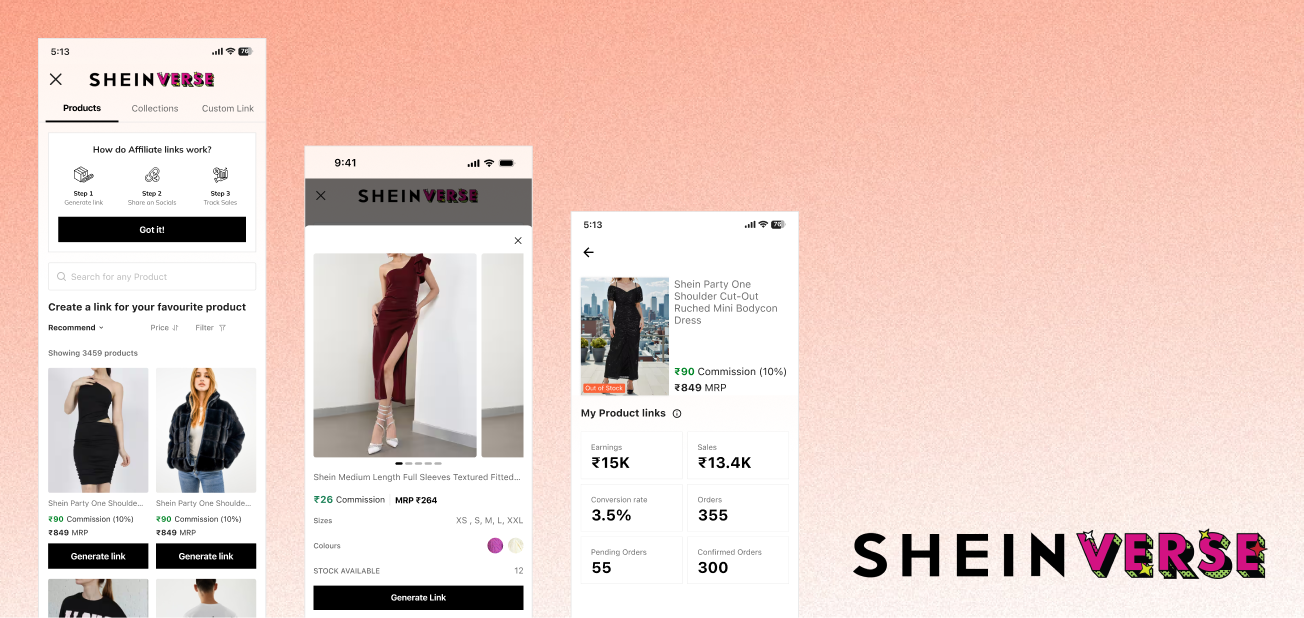
Shein
Mapping information architecture, wireframing multi-pillar creator journeys, and shipping the v1 Affiliate Link Generator for Shein's embedded web-view ecosystem in India.
$1.36M
Monthly GMV
18K
Content Pieces taken Live
Prototyping, Summarisation, Copywriting
AI Usage
Scope of work
UI, UX & Prototyping
Tools
Figma, Gemini, Cursor & Vercel
Duration
6 months
Capcity
Lead Product Designer
Problem Statement
Shein is a global fast-fashion titan serving over 88 million active customers. To expand its footprint in India without over-relying on expensive paid advertising, Shein partnered with Galleri5 (a B2B marketing & creator tech platform) to build an organic growth engine.
I was brought in as the lead subcontractor designer to take the project from zero to one—translating dense Product Requirement Documents (PRDs) into comprehensive wireframing, Information Architecture (IA), and edge-case logic for three major embedded web-view features.
Process
Our workflow was highly collaborative and iterative. After digesting product requirement documents (PRDs) and participating in client meetings, I would dive into the design phase. To ensure smooth async communication, I recorded detailed handoff videos using Loom and Google Vids for the engineering team, allowing us to seamlessly cycle through feedback and new feature requests. I also leveraged AI tools like NotebookLM and Gemini to distill complex documents and proactively identify edge cases I might have otherwise missed.
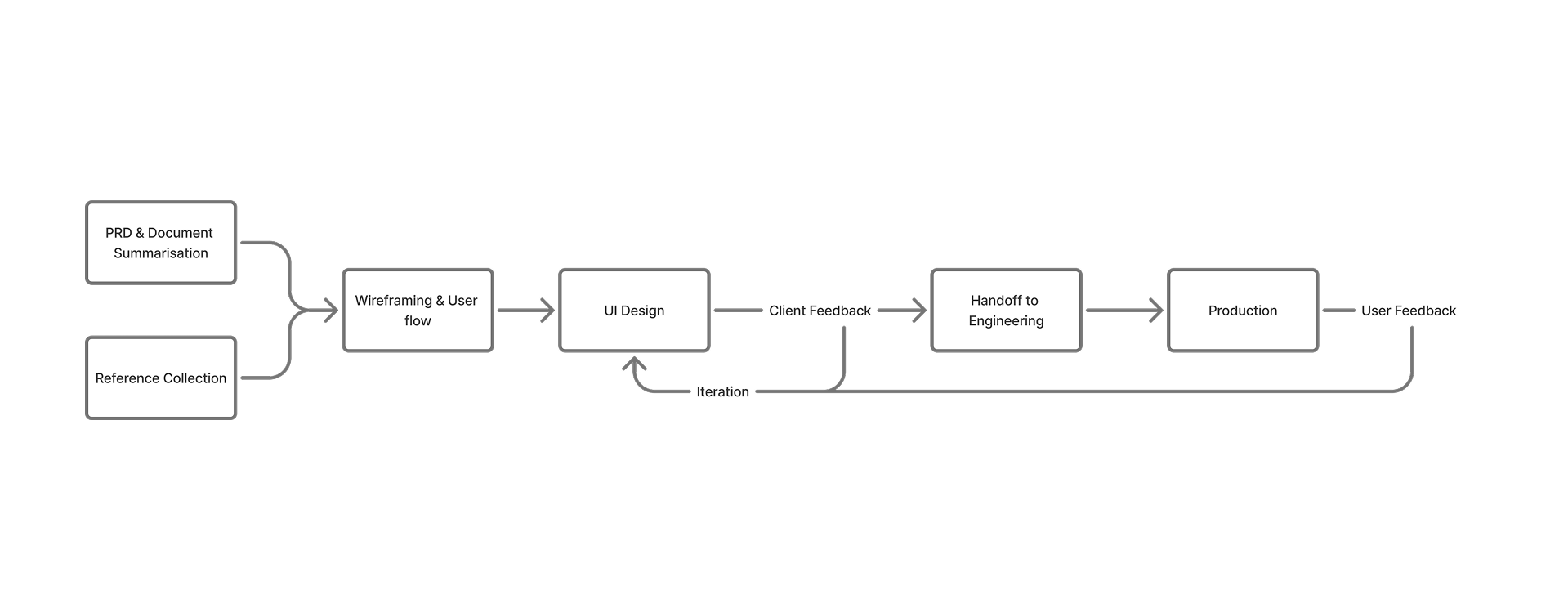
PRD & Document Summarisation
I heavily utilized NotebookLM to generate edge cases, charts, visual models, and open questions that required further client clarification. This approach drastically streamlined our handling of complex documentation, ensuring no detail was overlooked. By using AI for summarization, we quickly extracted vital user flows and screen requirements from dense technical documents, which perfectly guided our initial wireframing efforts.
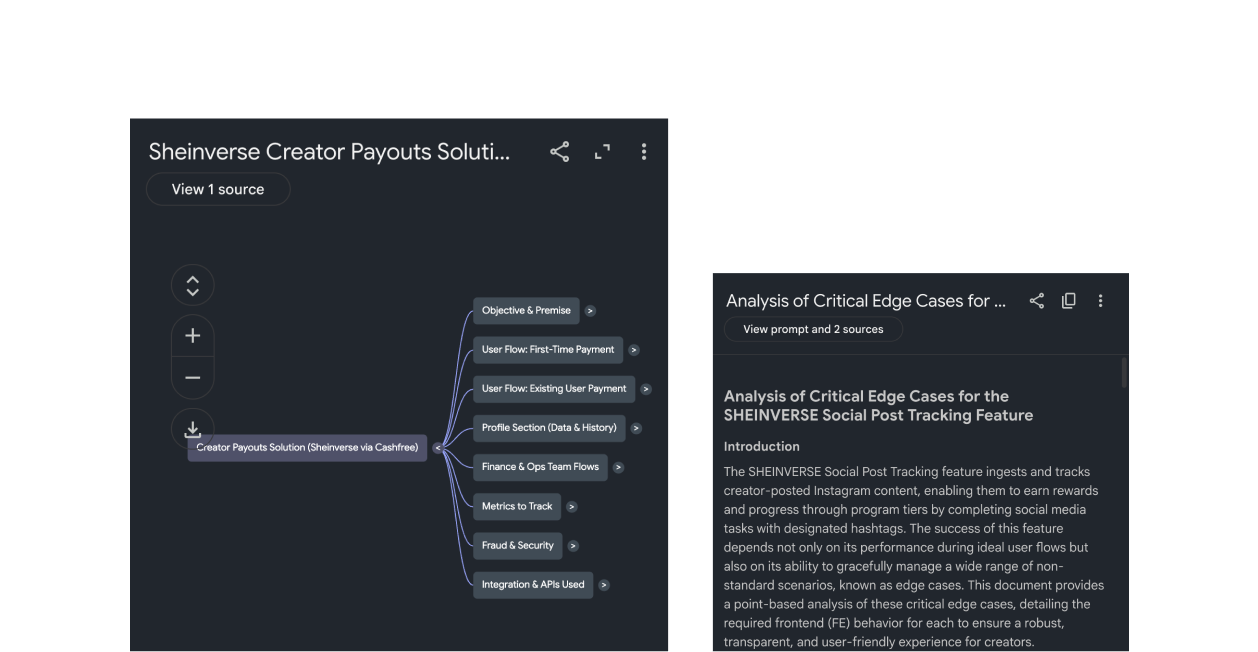
Reference Collection
Using target keywords and a list of competitors provided by the client, I researched and compiled visual benchmarks to determine the ideal aesthetic for the landing page. This reference collection was a vital first step, allowing us to align on the design direction before committing to structural layouts. It gave us the freedom to explore various visual styles while ensuring the final mood perfectly matched the client's vision and project goals.
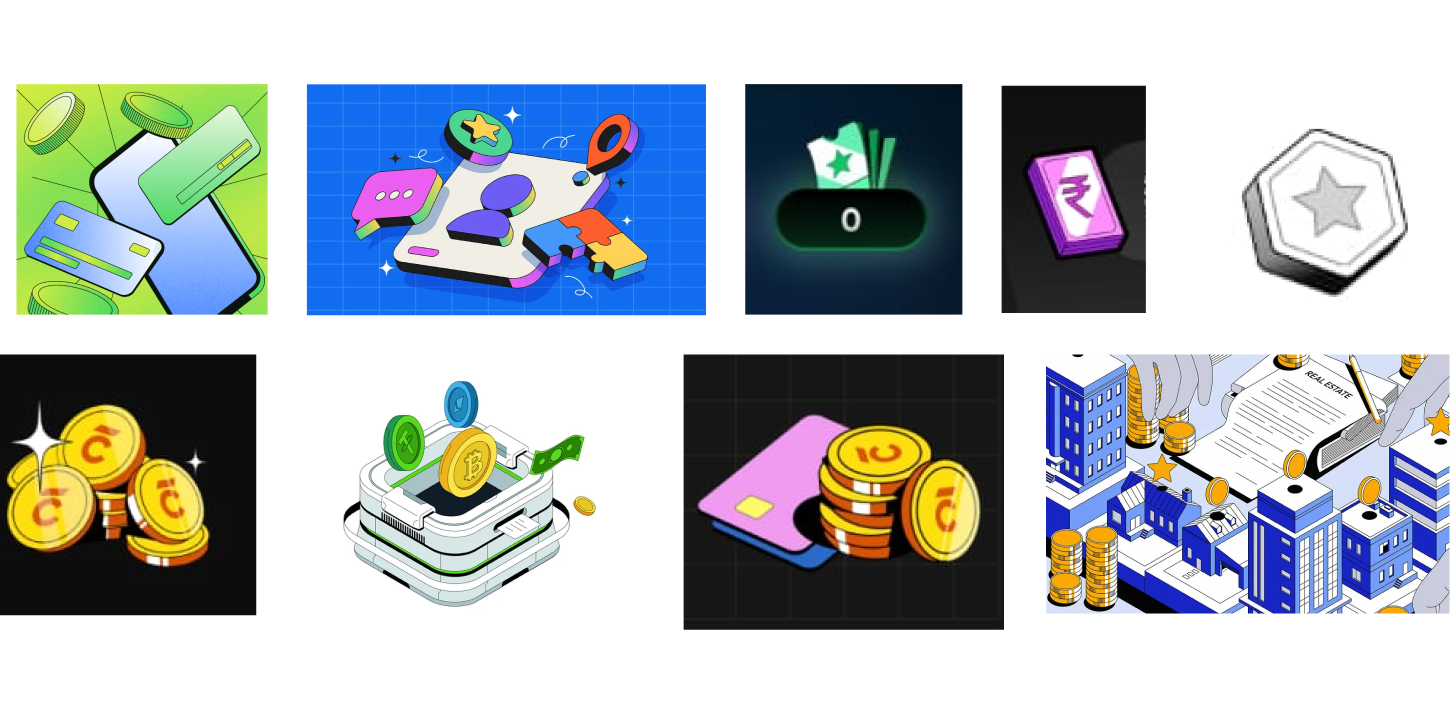
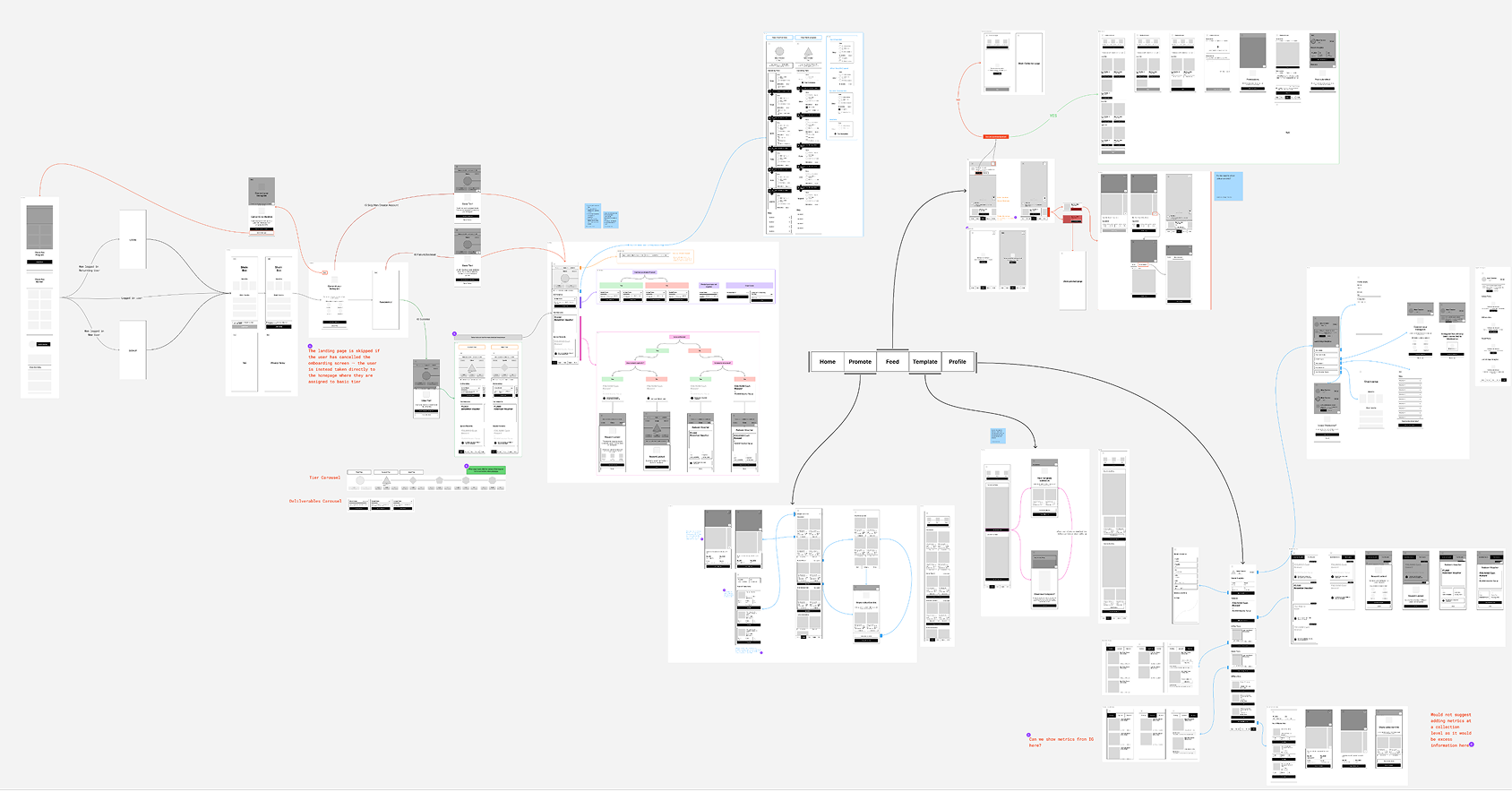
Wireframing & Userflow
Establishing the information architecture, user flows, and wireframes was a critical phase, as these assets served as the foundation for project scoping, cost estimation, and timeline planning. This stage required significant time, iteration, and thoughtful deliberation before engineering could begin. Ultimately, this meticulous planning was essential to align completely with the client and proactively resolve any concerns regarding edge cases.
Prototyping
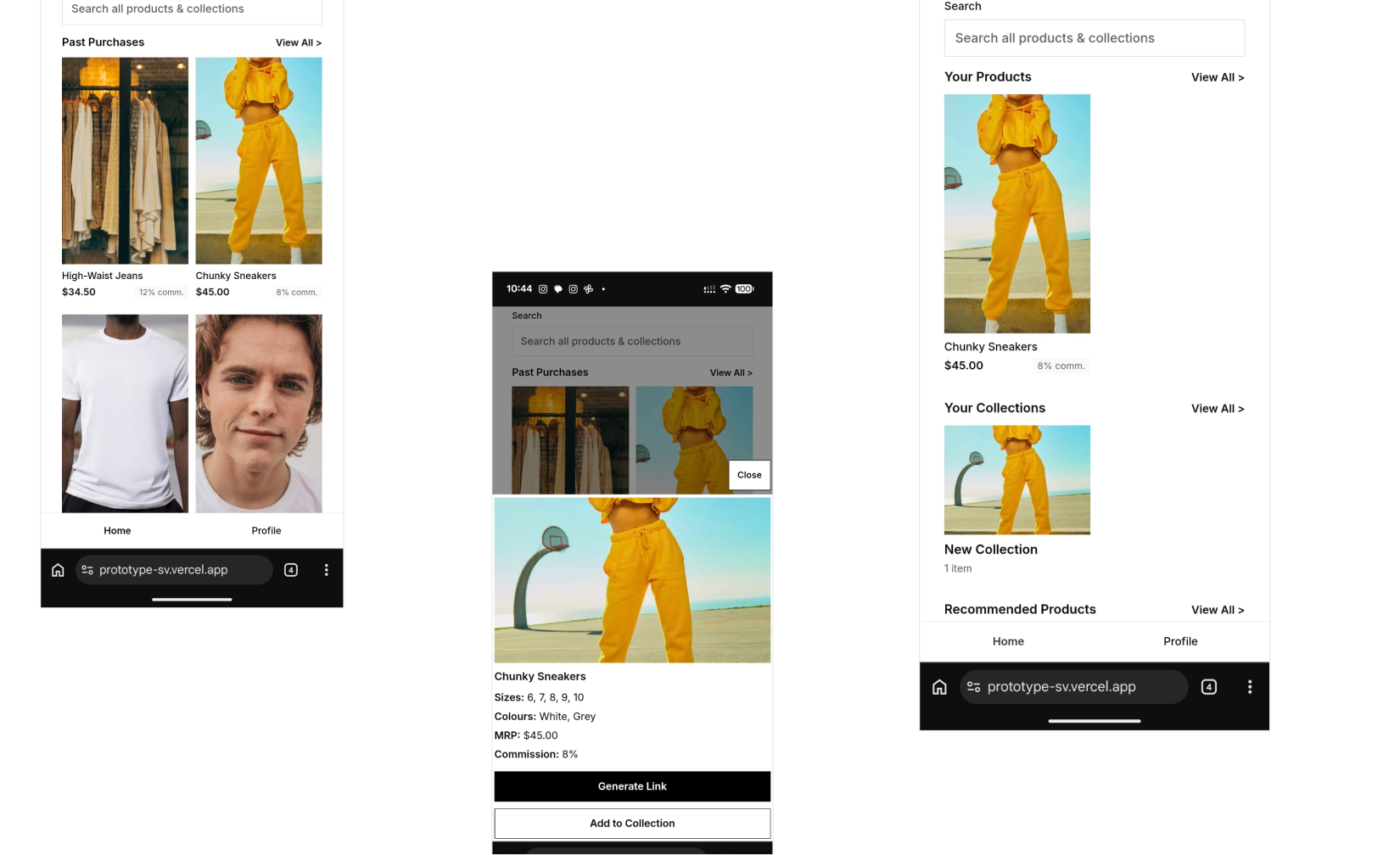
For more complex interactions and user flows, I built interactive prototypes using Cursor and deployed them to Vercel, allowing stakeholders to experience the flows firsthand.
UI
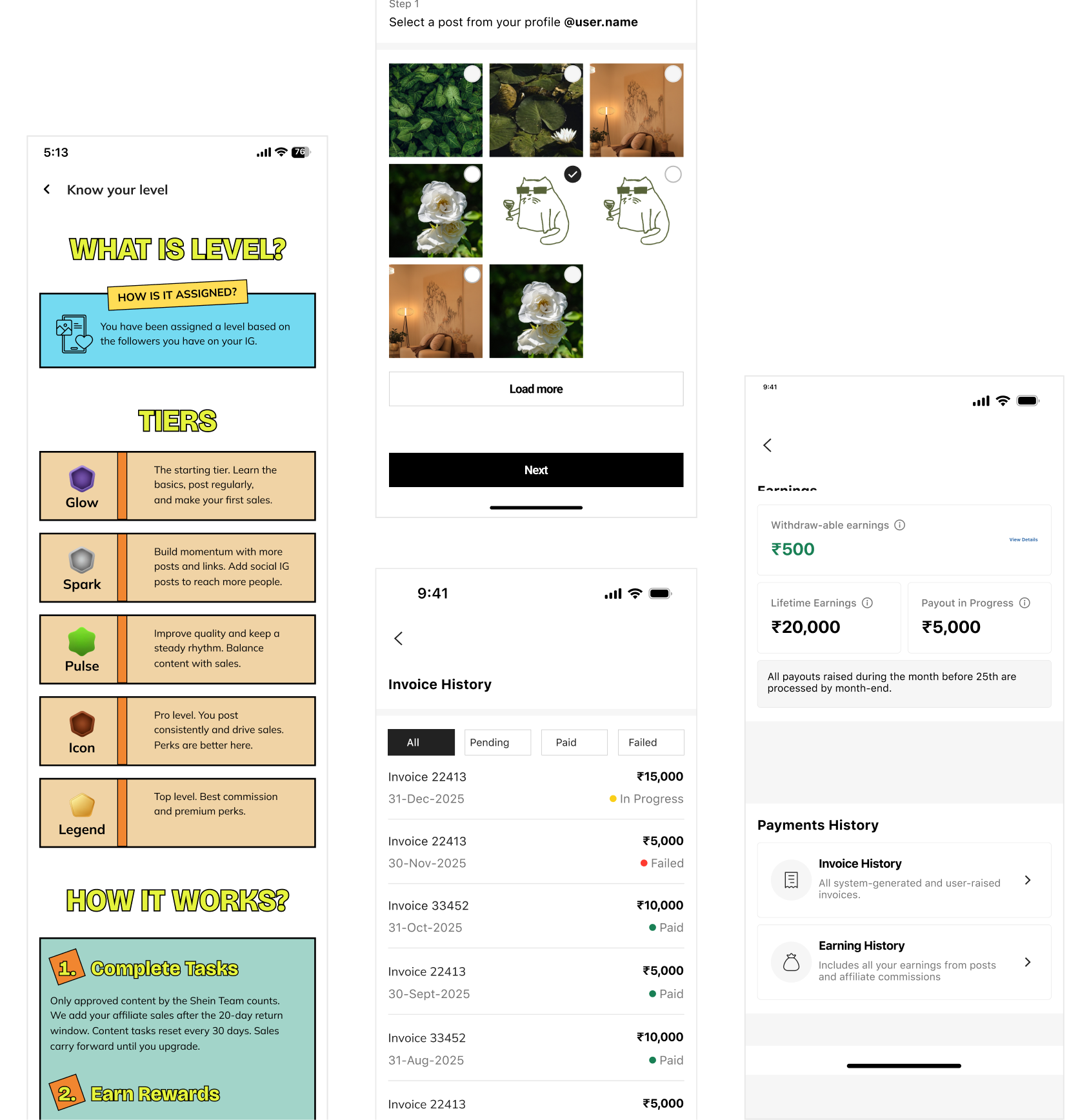
Every screen outside of the initial landing and onboarding experience was crafted in strict adherence to Shein's established brand guidelines. This included meticulously designing all pop-ups, modals, error states, and first-time user experiences (FTUE).
Conclusion
By establishing a robust conceptual framework and shipping a frictionless v1 affiliate tool, the platform achieved massive commercial success in India:
- $1.36M AUD Monthly GMV: Sustaining a 25% program activation rate, the growth engine drove ~$1.36M AUD (₹7.5 Crore) in monthly Gross Merchandise Value.
- 11,000 Active Creators: Onboarded and empowered over 11,000 creators to generate and distribute referral links.
- 18,000 Live Content Pieces: Creators published over 18,000 external social media posts linking back to Shein's web-view ecosystem.
- $54.5K Monthly Creator Payouts: Distributed ~$54,500 AUD (₹30 Lakhs) monthly directly to creators, validating the organic revenue model.
- 2M+ Monthly Sign-Ups: Scaled to support over 2 million monthly user sign-ups during full rollout.
Honest Reflection & Lessons Learned
- Designing for Scope Shifts: Working in a fast-moving subcontracting environment taught me that conceptual wireframes are never wasted. Even though Virtual Try-On was descoped and the UGC feed morphed into an approval pipeline, the underlying IA served as the blueprint for subsequent design iterations.
- Documenting Edge Cases Early: Front-loading FigJam logic for complex flows like KYC and invoice generation saved weeks of engineering back-and-forth during sprint execution.